Your First Time Botox Patient Journey: What to Expect
Deciding to explore aesthetic treatments is a highly personal milestone, and feeling a mix of excitement and apprehension is completely natural.
For many individuals, the idea of getting a first time Botox treatment comes with a flood of questions. What will the injections feel like? Will the results look natural? How should one prepare, and what happens after leaving the clinic? The anxiety surrounding these unknowns often causes patients to delay treatments that could otherwise boost their confidence and refresh their appearance. Navigating the world of neuromodulators can feel overwhelming without a clear roadmap of the actual patient experience.
This comprehensive guide explores the complete first time Botox journey. From the initial research and decision-making phase to the consultation, treatment, and final results, understanding each step can help demystify the process. Dr. Vuslat Muslu Erdem, MD, a board-certified Internal Medicine physician, emphasizes the importance of patient education in aesthetic medicine. By learning exactly what to expect, patients can approach their first neuromodulator appointment with confidence, realistic expectations, and peace of mind.
Making the Decision: Is First Time Botox Right for You?
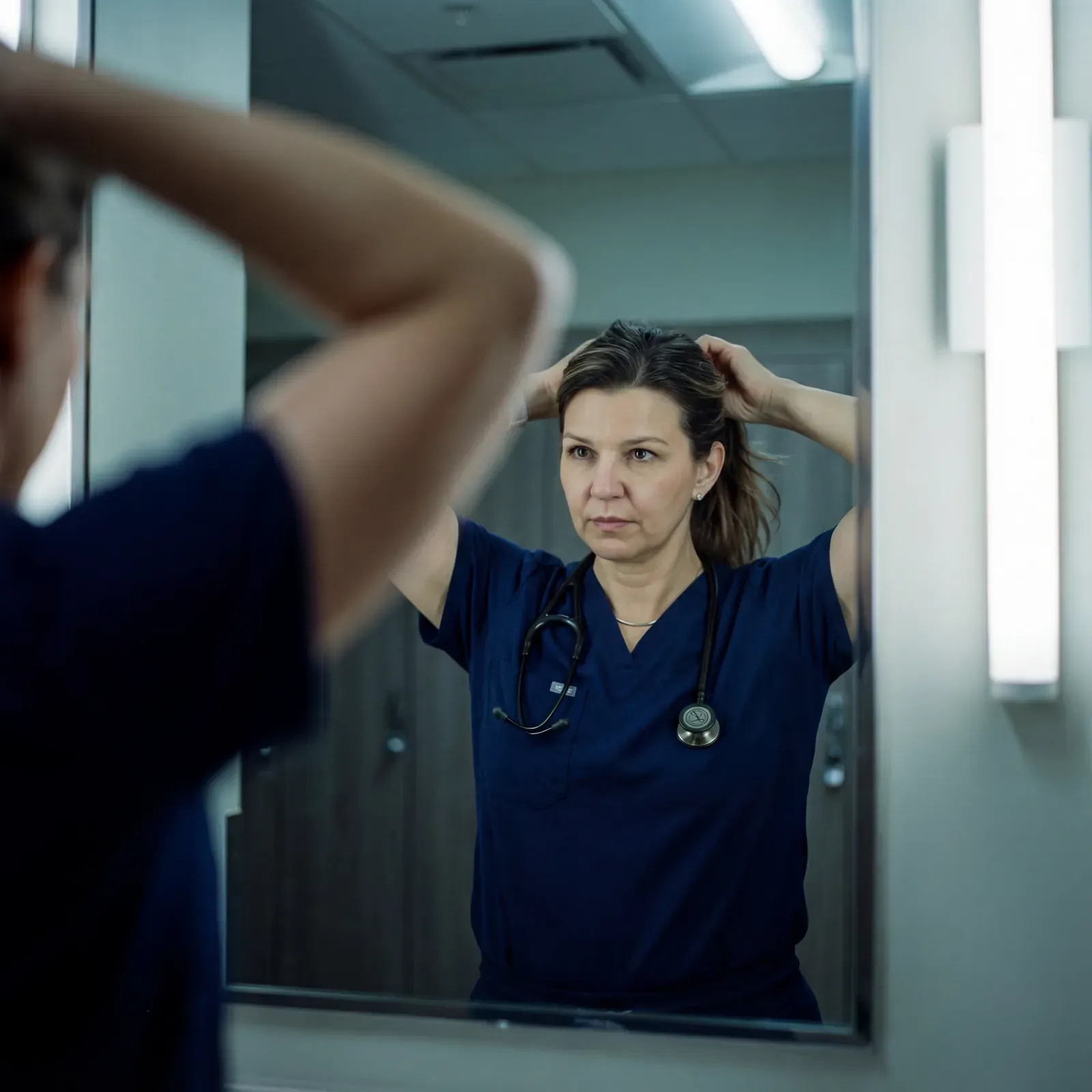
The journey toward a first time Botox treatment rarely happens overnight. It typically begins weeks or even months before an appointment is ever scheduled. During this contemplation phase, individuals often find themselves examining their reflection a little more closely, noticing the subtle but persistent dynamic lines that form when smiling, frowning, or raising their eyebrows. These lines, often referred to as crow’s feet, glabella lines (the ’11s’ between the brows), or horizontal forehead lines, are natural signs of facial expression and aging. Understanding the role of neuromodulators is the first step in deciding if the treatment aligns with personal aesthetic goals. Botox and similar products work by temporarily relaxing the specific underlying facial muscles responsible for these repetitive expressions. By reducing muscle activity, the overlying skin is allowed to smooth out, which can soften existing wrinkles and help prevent new ones from forming.
Researching the procedure is a crucial part of the decision-making process. Prospective patients should look for credible, medically sound information regarding how neuromodulators function, their safety profile, and their limitations. It is important to distinguish between neuromodulators, which address dynamic wrinkles, and dermal fillers, which restore lost volume. Education empowers patients to make informed choices rather than decisions based on fleeting trends or misconceptions. Additionally, setting realistic expectations is vital. First time Botox will not completely freeze the face or erase every sign of aging; rather, when administered correctly by a skilled professional, it provides a rested, refreshed, and subtly enhanced appearance. Discussing these goals with a qualified healthcare provider ensures that the treatment plan is tailored to individual anatomy and desired outcomes. You can learn more about the educational philosophy behind these treatments by reading About Dr. V.
- Identify your primary areas of concern, such as frown lines, forehead creases, or crow’s feet.
- Understand the difference between dynamic wrinkles (caused by muscle movement) and static wrinkles (visible at rest).
- Set realistic expectations for a refreshed, natural-looking outcome rather than a completely ‘frozen’ appearance.
- Research the safety profile and FDA-approved uses of neuromodulators.
- Acknowledge that results are temporary and require maintenance over time.
The Emotional Aspect of Aesthetic Treatments
It is entirely normal to feel a degree of anxiety or guilt when considering cosmetic procedures for the first time. Many patients worry about the stigma surrounding aesthetics or fear that they will look ‘overdone.’ Overcoming these mental hurdles involves reframing aesthetic treatments as a form of self-care and confidence building. A thorough understanding of the science behind the treatment, coupled with guidance from a board-certified physician, can alleviate much of this anxiety. Knowledge is the most effective antidote to fear.
When is the Right Time to Start?
The concept of ‘preventative Botox’ has gained significant popularity. Rather than waiting for deep, static lines to become permanently etched into the skin, many patients in their late twenties and thirties choose to start treatments early. By relaxing the muscles before wrinkles become severe, the skin is preserved in a smoother state. However, the ‘right’ time to start is highly subjective and depends entirely on an individual’s genetics, lifestyle, expressive habits, and personal aesthetic goals. A professional evaluation can help determine the optimal timing.
Preparing for Your First Appointment
Proper preparation is essential for a smooth and successful first time Botox experience. The days leading up to the appointment play a significant role in minimizing the risk of side effects, particularly bruising and swelling at the injection sites. To ensure the best possible outcome, patients are generally advised to make a few temporary adjustments to their daily routines. One of the most important steps is to review all current medications and supplements with a healthcare provider. Certain over-the-counter pain relievers, such as ibuprofen, aspirin, and naproxen, as well as specific supplements like fish oil, vitamin E, ginkgo biloba, and ginseng, act as mild blood thinners. Consuming these substances in the days prior to treatment can increase the likelihood of bruising. Whenever medically appropriate and approved by a primary care physician, these should be paused a few days before the appointment.
In addition to medication management, lifestyle choices in the 24 to 48 hours before the procedure can impact the experience. Alcohol consumption, particularly red wine, can cause vasodilation and increase the risk of bruising; therefore, abstaining from alcohol before the appointment is highly recommended. Arriving at the clinic with a clean face, free of makeup, allows the provider to clearly assess the skin and facial anatomy without obstruction. It is also helpful to wear comfortable clothing and to eat a light meal before the appointment to prevent lightheadedness, especially for those who are prone to anxiety around needles. Being physically and mentally prepared sets a positive tone for the entire patient journey.
- Avoid blood-thinning medications and supplements (e.g., NSAIDs, fish oil, Vitamin E) for 5-7 days prior, if approved by a doctor.
- Refrain from consuming alcohol for at least 24 hours before the appointment to minimize bruising.
- Arrive at the clinic with a clean, makeup-free face if possible.
- Eat a light snack or meal before the appointment to maintain stable blood sugar levels.
- Prepare a list of questions and goals to discuss during the consultation.
Skincare Leading Up to Treatment
While maintaining a regular skincare routine is encouraged, it is advisable to avoid harsh treatments such as chemical peels, microneedling, or aggressive exfoliation in the immediate days before receiving neuromodulators. The goal is to ensure the skin barrier is intact and not overly sensitized. Patients using prescription topical retinoids may also be advised to pause them briefly to reduce the risk of irritation at the injection sites.
Managing Pre-Appointment Anxiety
Feeling nervous is expected. To manage anxiety, patients can practice deep breathing exercises, listen to calming music, or simply communicate their nervousness to the provider. Experienced medical professionals are well-versed in easing patient anxieties and will take the time to explain every step, ensuring the patient feels comfortable and in control throughout the visit.
The Consultation Process: Assessing Your Unique Anatomy
The consultation is arguably the most critical component of the first time Botox journey. It is during this phase that a comprehensive dialogue takes place between the patient and the provider. A thorough consultation goes far beyond simply asking where the patient wants injections; it involves a detailed medical history review, an assessment of facial anatomy, and a discussion of realistic outcomes. The provider will begin by asking about past medical conditions, current medications, allergies, and any previous experiences with aesthetic treatments. This ensures that neuromodulator treatment is medically safe and appropriate for the individual. Safety is always the paramount concern in any medical aesthetic procedure.
Following the medical review, the provider will perform a dynamic facial assessment. Patients are typically asked to make various exaggerated facial expressions—such as frowning deeply, raising the eyebrows as high as possible, and smiling widely. This allows the provider to observe muscle strength, asymmetry, and the specific movement patterns that create dynamic wrinkles. Because every face is unique, a one-size-fits-all approach to neuromodulators is ineffective. The provider calculates the precise dosage (measured in units) and determines the exact injection points required to achieve a balanced, natural-looking result. This is also the perfect time for patients to ask questions, express their concerns, and review the proposed treatment plan. Understanding the ‘why’ behind the placement of each injection helps build trust and ensures the patient is fully informed before proceeding. To explore the full range of treatments, patients can view the services offered.
- Comprehensive review of medical history, allergies, and current medications.
- Discussion of specific aesthetic goals and areas of concern.
- Dynamic facial assessment to evaluate muscle movement and strength.
- Development of a customized treatment plan, including the estimated number of units required.
- Clear explanation of the expected outcomes, potential risks, and aftercare instructions.
Understanding ‘Units’
Neuromodulators are dosed in ‘units,’ which refer to the amount of the active product being administered. The number of units required varies widely depending on the treatment area, muscle mass, and individual metabolism. For instance, treating the strong muscles of the glabella (frown lines) typically requires more units than treating the delicate skin around the eyes (crow’s feet). A personalized dosage plan ensures optimal results.
The Importance of Realistic Expectations
A successful consultation aligns patient expectations with medical reality. First-time patients should understand that neuromodulators target muscle movement, not skin texture or volume loss. If deep, static lines are present, Botox may soften them over time, but it may not erase them completely after a single session. Establishing this baseline understanding prevents disappointment and fosters a long-term, trusting provider-patient relationship.
The Treatment Experience: Step-by-Step
Once the consultation is complete and the treatment plan is agreed upon, the actual injection process begins. For a first time Botox patient, the anticipation is often much worse than the procedure itself. The entire treatment is surprisingly quick, usually taking only 10 to 15 minutes to complete, earning it the nickname of a ‘lunchtime procedure.’ The provider will start by gently cleansing the targeted areas of the face with an antiseptic wipe, such as alcohol or chlorhexidine, to ensure the skin is sterile. Some clinics may offer a topical numbing cream or an ice pack to maximize comfort, though many patients find the procedure highly tolerable without any anesthetic.
The injections are administered using an ultra-fine, microscopic needle. Because the needle is so small, the sensation is typically described as a brief, mild pinch or a sensation similar to a mosquito bite. The provider will carefully administer precise amounts of the neuromodulator into the specific muscles identified during the dynamic assessment. Depending on the treatment plan, this may involve several quick injections across the forehead, between the brows, or around the eyes. Throughout the process, the provider may ask the patient to make facial expressions again to ensure exact placement. Once all injections are complete, the provider may apply light pressure to the sites to minimize any minor bleeding, which usually resolves within seconds. The simplicity and speed of the treatment often leave first-time patients pleasantly surprised.
- Cleansing and sterilization of the treatment area.
- Application of ice or topical anesthetic if desired for comfort.
- Precise injections using an ultra-fine needle into targeted facial muscles.
- Sensations are generally limited to a quick, mild pinch.
- The entire injection process typically takes 10 to 15 minutes.
Pain Management and Comfort
While pain tolerance varies from person to person, neuromodulator injections are widely considered to be very low on the pain scale. The use of distraction techniques, such as vibrating beauty tools or simply conversing with the provider, can further minimize discomfort. Any minor stinging sensation dissipates almost immediately after the needle is withdrawn.
Immediate Post-Injection Appearance
Immediately following the procedure, it is common to notice small, raised bumps at the injection sites, resembling tiny mosquito bites. These bumps are simply the fluid from the medication and typically subside within 15 to 30 minutes as the product is absorbed into the surrounding tissue. Mild redness is also normal and usually resolves quickly.
Aftercare and The Healing Process
The care taken in the hours and days following a first time Botox treatment is just as important as the procedure itself. Proper aftercare ensures that the neuromodulator settles correctly into the intended muscles and minimizes the risk of adverse effects, such as the product migrating to unintended areas. Patients are strictly advised not to rub, massage, or apply pressure to the treated areas for at least 24 hours. This includes avoiding tight-fitting hats, headbands, or any facial treatments like massages or extensive skincare routines that involve vigorous rubbing. It is also recommended to remain upright and avoid lying down flat for the first four hours post-treatment.
Strenuous exercise and activities that cause excessive sweating or increased body heat—such as saunas, hot tubs, or intense cardiovascular workouts—should be avoided for at least 24 hours. Elevated body temperature and increased blood flow can potentially alter how the product is absorbed and may exacerbate bruising. Unlike some aesthetic procedures, the results of neuromodulators are not immediate. Patients will not leave the clinic with a frozen or drastically changed appearance. The product requires time to bind to the nerve receptors and interrupt the signals that cause muscle contraction. Typically, the first signs of reduced muscle movement become noticeable within 3 to 5 days, with full, optimal results appearing around 10 to 14 days after the injection. Patience is key during this transition period. For those wishing to document their journey or learn more about scheduling, they can schedule an appointment or consultation.
- Do not rub, massage, or apply pressure to the treated areas for at least 24 hours.
- Avoid lying completely flat for 4 hours immediately following the injections.
- Skip strenuous exercise, heavy lifting, and excessive sweating for 24 hours.
- Avoid saunas, hot tubs, and prolonged sun exposure for the first few days.
- Wait 10 to 14 days to see the final, fully developed results.
Monitoring for Side Effects
While neuromodulators have an excellent safety profile, minor side effects can occur. Mild bruising, tenderness, or a slight headache on the day of treatment are the most common and typically resolve on their own within a few days. If severe pain, significant swelling, or signs of an allergic reaction occur, patients must contact their healthcare provider immediately.
The ‘Spock Brow’ and Asymmetry
During the first two weeks as the product settles, it is not uncommon to experience slight asymmetry or a temporarily over-arched eyebrow (sometimes called a ‘Spock brow’). This happens because different parts of the muscle may absorb the neuromodulator at slightly different rates. Patients are advised to wait the full 14 days before evaluating the final symmetry.
Maintaining Your Results and Next Steps
Experiencing the final results of a first time Botox treatment is often a highly rewarding moment. By the two-week mark, the skin overlying the treated muscles appears noticeably smoother, and patients frequently report looking more rested, approachable, and youthful. However, it is essential to understand that neuromodulators provide a temporary, rather than permanent, solution. The body naturally metabolizes the product over time, gradually restoring nerve signaling and muscle function. On average, the effects of a treatment last between three to four months. Factors such as a patient’s metabolism, activity level, and the specific areas treated can influence this timeline. Individuals who engage in high-intensity exercise, for example, may find that their results wear off slightly faster.
To maintain a smooth and refreshed appearance, regular maintenance appointments are necessary. Establishing a consistent treatment schedule prevents the targeted muscles from regaining full strength and allowing deep dynamic lines to reform. Many patients schedule their follow-up appointments every three to four months. Over time and with consistent treatment, some patients may find that they can stretch the intervals between visits slightly, as the muscles become ‘trained’ to relax. A two-week follow-up appointment is highly recommended after the very first treatment. This allows the provider to assess the results, make any necessary minor adjustments (touch-ups), and fine-tune the dosage profile for future visits. Building a long-term relationship with a qualified medical professional ensures consistent, safe, and beautifully natural results.
- Attend a 2-week follow-up appointment to assess results and address any minor asymmetry.
- Expect results to last approximately 3 to 4 months, depending on individual metabolism.
- Schedule maintenance appointments proactively to prevent wrinkles from returning fully.
- Protect the skin daily with broad-spectrum SPF to prevent further photoaging.
- Communicate openly with your provider about how the treatment lasted and any adjustments desired for next time.
The Cumulative Effect of Neuromodulators
Consistency yields the best long-term outcomes. Regular treatments not only smooth existing lines but also act preventatively. By keeping the muscles relaxed over time, the overlying skin is spared the repetitive folding that causes permanent creases, resulting in an enduringly youthful complexion.
Integrating Skincare and Aesthetics
Neuromodulators address the structural movement of muscles, but they do not improve skin quality, tone, or texture. To maximize aesthetic results, patients should pair their treatments with a robust, medical-grade skincare regimen featuring ingredients like Vitamin C, retinol, and hyaluronic acid. A comprehensive approach addresses all facets of facial aging.
The Bottom Line
Taking the step to receive a first time Botox treatment is a journey that involves careful consideration, education, and collaboration with a medical professional. By understanding what to expect—from the initial consultation and precise injections to the crucial aftercare steps and eventual results—patients can approach the process with confidence rather than fear. Neuromodulators offer a safe, effective way to soften dynamic wrinkles and achieve a refreshed, natural appearance.
Aesthetic medicine is ultimately about enhancing how individuals feel in their own skin. With the right guidance and realistic expectations, the journey into cosmetic treatments can be an empowering experience that restores both youthfulness and self-assurance.
If you are considering neuromodulator treatments, consult your healthcare provider or speak with a board-certified physician to discuss a personalized plan that aligns with your aesthetic goals. Results from aesthetic treatments vary by individual. All procedures carry risks and should be discussed with your provider. This content is for educational purposes only.