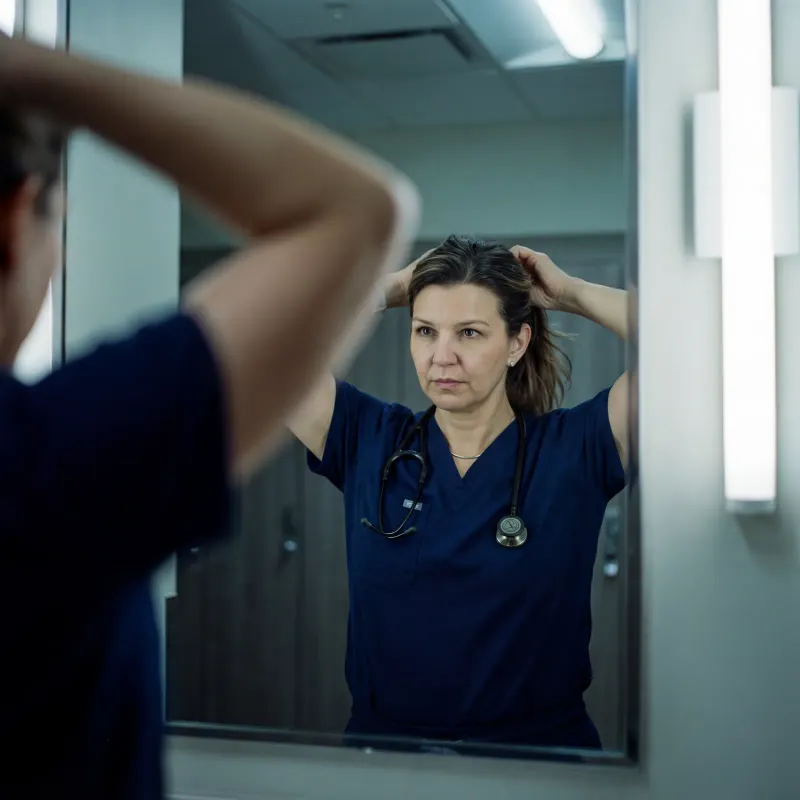
7 Post-Treatment Skincare Myths Hurting Your Aesthetic Results
Investing in aesthetic procedures like laser therapy, chemical peels, or microneedling is only the first step toward achieving radiant, youthful-looking skin.
Many patients spend significant time and resources selecting the right treatments, only to unknowingly sabotage their results during the critical recovery phase. A poor or misguided post-treatment skincare routine can lead to prolonged inflammation, hyperpigmentation, compromised skin barriers, and suboptimal aesthetic outcomes. Misinformation surrounding how to care for skin after medical aesthetic procedures is rampant, often leading individuals to apply the wrong products or engage in harmful habits that disrupt the delicate healing process.
Understanding the science behind skin recovery is essential for protecting aesthetic investments. Dr. Vuslat Muslu Erdem emphasizes that daily skincare adherence is the ultimate medical intervention to maintain and enhance cosmetic results. This article explores seven pervasive post-treatment skincare myths, explaining the biological reasons why these misconceptions can hurt aesthetic outcomes and offering evidence-based guidance for optimal recovery. For comprehensive insight into various treatments, patients can explore the services offered.
The Physiology of Healing: Why the Right Post-Treatment Skincare Routine Matters
To understand why certain post-care practices are detrimental, it is necessary to examine what happens to the skin during and after an aesthetic procedure. Treatments such as laser resurfacing, microneedling, and medium-depth chemical peels work on the principle of controlled injury. By deliberately inducing micro-trauma or chemical exfoliation, these procedures trigger the body’s natural wound-healing cascade. This biological response stimulates fibroblasts to produce new collagen and elastin, ultimately leading to tighter, smoother, and more evenly toned skin.
However, this controlled injury temporarily compromises the stratum corneum—the outermost layer of the epidermis that serves as the skin’s primary protective barrier. When the barrier is compromised, the skin experiences increased transepidermal water loss (TEWL), making it highly susceptible to dehydration. Furthermore, the temporary loss of this protective shield leaves the underlying tissues vulnerable to environmental aggressors, including ultraviolet (UV) radiation, pollution, and opportunistic bacteria.
During this vulnerable phase, the chosen post-treatment skincare routine acts as a synthetic barrier and a therapeutic support system. The right products help maintain an optimal moist healing environment, reduce unnecessary inflammation, and prevent infection. Conversely, falling for common skincare myths can exacerbate inflammation, trigger post-inflammatory hyperpigmentation (PIH), and delay cellular turnover. A meticulously planned post-care regimen is not merely a suggestion; it is an integral component of the treatment protocol that directly dictates the final aesthetic outcome.
- Aesthetic treatments rely on controlled injury to stimulate collagen production.
- Procedures temporarily impair the skin barrier, increasing vulnerability to dehydration and environmental damage.
- An evidence-based post-care routine minimizes complications like post-inflammatory hyperpigmentation (PIH).
The Stages of Skin Recovery
The healing process generally unfolds in three overlapping phases: inflammation, proliferation, and maturation. The inflammatory phase occurs immediately after the procedure, characterized by redness, swelling, and heat. A gentle post-treatment skincare routine during this phase focuses solely on soothing and protecting. Following this, the proliferative phase begins, where new tissue is formed, and the barrier begins to rebuild. Finally, the maturation phase involves the remodeling of collagen, which can take several months. Disrupting any of these phases through incorrect skincare practices can permanently alter the aesthetic result.
Myth 1 and 2: The Dangers of ‘More is Better’ and Premature Sun Exposure
One of the most persistent myths in aesthetic aftercare is the belief that applying more products will accelerate healing. Patients often assume that layering heavy creams, serums, and masks will flood the skin with nutrients and speed up recovery. In reality, a compromised skin barrier is easily overwhelmed. Applying too many active ingredients or excessively occlusive ointments can trap heat, clog pores, and lead to contact dermatitis or acne breakouts (often referred to as ‘post-procedure breakouts’). A medical-grade post-treatment skincare routine should be minimalist, focusing strictly on gentle cleansing, profound hydration, and barrier protection.
Another dangerous misconception is that immediate sun exposure is acceptable as long as a high-SPF sunscreen is applied. While sunscreen is absolutely mandatory, relying on it as a foolproof shield immediately after a laser treatment or deep peel is a critical error. The skin’s natural defense against UV radiation (melanin) is often in a state of flux post-procedure.
Exposing vulnerable, healing skin to direct sunlight—even with SPF—drastically increases the risk of post-inflammatory hyperpigmentation. UV rays generate free radicals that amplify the inflammatory cascade already triggered by the treatment. Board-certified physicians strictly advise avoiding direct sun exposure entirely during the initial healing phase. Patients should rely on physical barriers, such as wide-brimmed hats and UPF clothing, in addition to frequent applications of broad-spectrum mineral sunscreen containing zinc oxide or titanium dioxide.
- Overloading the skin with multiple products can trap heat and cause dermatitis.
- A minimalist approach focusing on hydration and protection is best for healing.
- Sunscreen alone is insufficient protection against UV-induced hyperpigmentation immediately post-procedure.
- Physical barriers (hats, shade) are crucial during the initial recovery days.
Myth 3 and 4: Premature Exfoliation and Rushing Back to Makeup
Following treatments like chemical peels or ablative lasers, skin peeling and flaking are expected components of the regenerative process. A widespread myth is that it is acceptable, or even beneficial, to manually remove peeling skin to reveal the fresh layer beneath. Picking, scratching, or aggressively rubbing the face to accelerate shedding is one of the most damaging actions a patient can take. The peeling skin acts as a biological dressing, protecting the immature, delicate epidermis underneath. Removing this natural barrier prematurely exposes raw skin, leading to severe erythema (redness), potential scarring, and a high likelihood of hyperpigmentation.
Similarly, many individuals are eager to conceal post-treatment redness and flaking by applying makeup almost immediately. The myth that standard cosmetics are safe to use on freshly treated skin can lead to disastrous consequences. Traditional makeup products often contain artificial fragrances, preservatives, dyes, and comedogenic oils that can easily penetrate the compromised skin barrier.
Introducing these foreign substances into microscopic wounds or deeply exfoliated tissue can trigger severe inflammatory reactions, bacterial infections, and granulomas. Medical professionals emphasize that the skin must be given adequate time to re-epithelialize before cosmetics are reintroduced. When makeup is finally permitted, it should ideally be non-comedogenic, mineral-based, and applied with meticulously sanitized brushes or sponges to prevent bacterial introduction.
- Picking or pulling at flaking skin damages the new, fragile epidermis beneath.
- Premature manual exfoliation increases the risk of scarring and pigmentation.
- Standard makeup contains irritants that can cause severe reactions in compromised skin.
- Only clean, mineral-based cosmetics should be used once the skin has sufficiently healed.
The Role of Gentle Cleansing
Instead of manual exfoliation, patients should rely on gentle, non-foaming cleansers to wash their face. Lukewarm water should be used, as hot water strips the skin of its natural lipids and exacerbates inflammation. Patting the skin dry with a clean, soft towel—rather than rubbing—is essential to maintain the integrity of the healing epidermis.
Myth 5 and 6: The Misuse of Active Ingredients and the Impact of Exercise
A common trap for dedicated skincare enthusiasts is the belief that resuming their active ingredients—such as retinoids, alpha-hydroxy acids (AHAs), beta-hydroxy acids (BHAs), and high-potency Vitamin C—will enhance the healing process. These potent ingredients are phenomenal for long-term skin health, but they are strictly contraindicated in the immediate aftermath of a medical aesthetic procedure. Using chemical exfoliants or cell-communicating ingredients on skin that is already inflamed and attempting to rebuild its barrier will result in chemical burns, extreme irritation, and prolonged downtime. A safe post-treatment skincare routine strictly omits all active, irritating ingredients until a healthcare provider confirms the barrier is fully restored.
Another frequently overlooked myth concerns physical activity. Many believe that sweating has no impact on aesthetic treatments. However, engaging in vigorous cardiovascular exercise, hot yoga, or spending time in saunas too soon after a procedure can compromise results.
Sweat is naturally rich in sodium and other minerals that can cause intense stinging and irritation on raw skin. Furthermore, heavy physical exertion increases core body temperature and blood flow to the face. This internal heat can exacerbate swelling, prolong erythema, and in the case of neurotoxins or certain dermal fillers, potentially affect the settling of the product. Patients are typically advised to abstain from strenuous, sweat-inducing activities for at least 24 to 72 hours, depending on the specific procedure performed.
- Retinoids, AHAs, BHAs, and Vitamin C should be paused post-treatment to avoid chemical burns.
- Active ingredients can severely irritate skin that is actively trying to rebuild its barrier.
- Sweat contains salts that sting and irritate compromised skin.
- Increased body heat from exercise exacerbates swelling and prolongs recovery time.
Myth 7: Abandoning the Routine Once the Skin ‘Looks’ Healed
Perhaps the most insidious myth is the notion that once the visible signs of healing—such as redness, swelling, and peeling—have subsided, the post-treatment skincare routine can be abandoned. Patients often revert immediately to their previous habits, assuming the skin has fully recovered. In reality, while the superficial epidermis may appear intact within a week or two, the deeper dermal remodeling and cellular regeneration processes continue for weeks or even months.
Discontinuing protective measures, particularly diligent sun protection and advanced hydration, can silently undo the benefits of the treatment. For example, collagen stimulation initiated by a microneedling session requires an environment rich in hydration and free from UV-induced oxidative stress to yield maximum results. Failing to support the skin long-term diminishes the return on the aesthetic investment.
To ensure lasting results, patients must transition smoothly from their strict post-care regimen to a robust, long-term maintenance routine. This includes the gradual reintroduction of medical-grade active ingredients, consistent use of antioxidants, and unwavering adherence to daily SPF application. A strategic skincare routine is not a temporary fix; it is an ongoing medical intervention necessary to sustain skin health. For more detailed insights into maintaining skin vitality, individuals can read more on the health and wellness blog.
- Visible healing does not equate to complete dermal remodeling.
- Collagen production requires long-term hydration and UV protection to succeed.
- Reintroducing active ingredients should be a gradual, carefully monitored process.
- Long-term skincare adherence protects the financial and physical investment of the procedure.
Transitioning to Maintenance Care
Transitioning back to a normal routine should be done systematically. Patients should introduce one active ingredient at a time, monitoring the skin for any signs of delayed reactivity. Consulting a physician before resuming high-strength retinoids or chemical exfoliants ensures the skin’s barrier is truly ready to handle cellular stimulation.
Structuring an Evidence-Based Post-Treatment Skincare Routine
Building an effective post-treatment skincare routine requires understanding the precise needs of the skin at different stages of recovery. While specific instructions will always vary based on the procedure and individual skin type, a general framework focuses on three pillars: cleansing, hydrating, and protecting.
First, cleansing must be exceptionally gentle. Use a pH-balanced, fragrance-free cleanser that does not strip the skin. Second, hydration is paramount. Ingredients like hyaluronic acid, glycerin, and ceramides help draw moisture into the skin and repair the lipid barrier. Medical-grade recovery creams containing peptides and soothing agents (like bisabolol or allantoin) can significantly reduce inflammation and support tissue repair.
Finally, protection is non-negotiable. A broad-spectrum mineral sunscreen with an SPF of 30 or higher should be applied daily, regardless of whether the patient plans to go outdoors, as ambient light and UV rays penetrating through windows can still induce hyperpigmentation. Adhering to these clinical guidelines minimizes complications and maximizes the rejuvenating effects of the treatment. For personalized recommendations or to discuss treatment plans, patients should schedule an appointment with a healthcare provider.
- Cleanse with a pH-balanced, non-stripping, fragrance-free wash.
- Focus on barrier-repairing ingredients like ceramides, hyaluronic acid, and glycerin.
- Apply broad-spectrum mineral SPF daily, even indoors.
- Always follow the specific, customized aftercare instructions provided by the treating physician.
The Bottom Line
The success of any aesthetic procedure is heavily dependent on the quality of the aftercare. By dispelling common myths—such as over-applying products, rushing manual exfoliation, or prematurely resuming active ingredients—patients can protect their skin’s delicate barrier. An evidence-based post-treatment skincare routine is vital for minimizing inflammation, preventing hyperpigmentation, and allowing the skin’s natural regenerative processes to flourish.
Navigating the complexities of skin recovery does not have to be overwhelming. With accurate medical guidance and a commitment to gentle, protective care, achieving optimal and lasting aesthetic results is entirely within reach.
For personalized guidance on aesthetic treatments and safe recovery protocols, consult your healthcare provider or speak with a board-certified physician.